
The evolution of Japanese culinary craftsmanship
Centuries of tradition and refinement transformed a food preservation technique into a global culinary art form, balancing the pure taste of ingredients with masterful preparation to create an unforgettable dining experience.
Early fermentation
The birth of sushi through fermentation
Sushi’s origin is narezushi, an ancient method of preserving freshwater fish in fermented rice. This foundational preservation process laid the groundwork for the iconic dish.
Regional flavors
How different regions shaped unique sushi styles
Each Japanese region developed unique styles, like Tokyo’s nigiri-focused edomae-zushi or Osaka’s pressed oshizushi, reflecting local seafood availability and signature culinary methods.

Key ingredients for enjoying authentic sushi
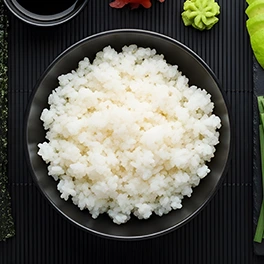
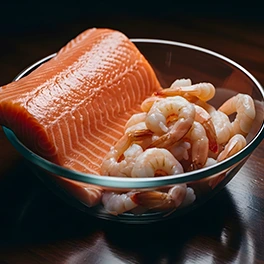
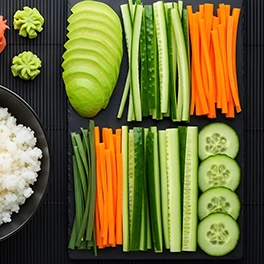

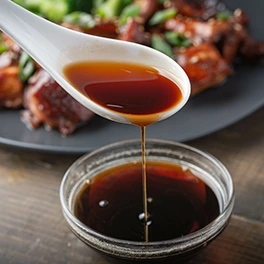
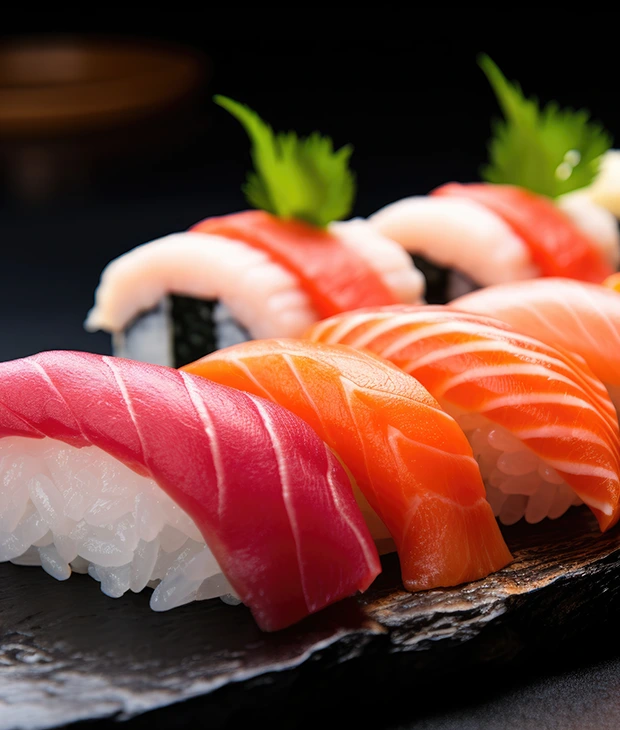
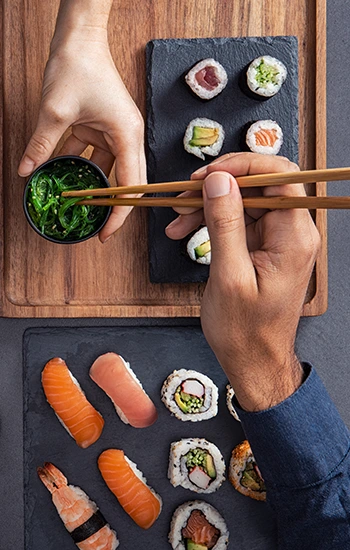
Nigiri
A hand-pressed mound of vinegared rice topped with raw fish, seafood, or a rich omelet (tamago).
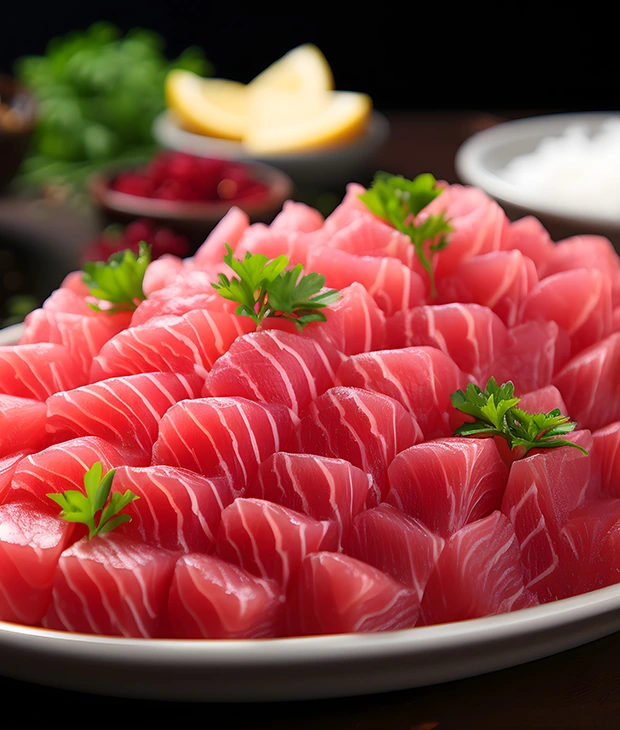
Sashimi
Expertly sliced premium raw fish or seafood, served alone to showcase its natural flavor and texture.
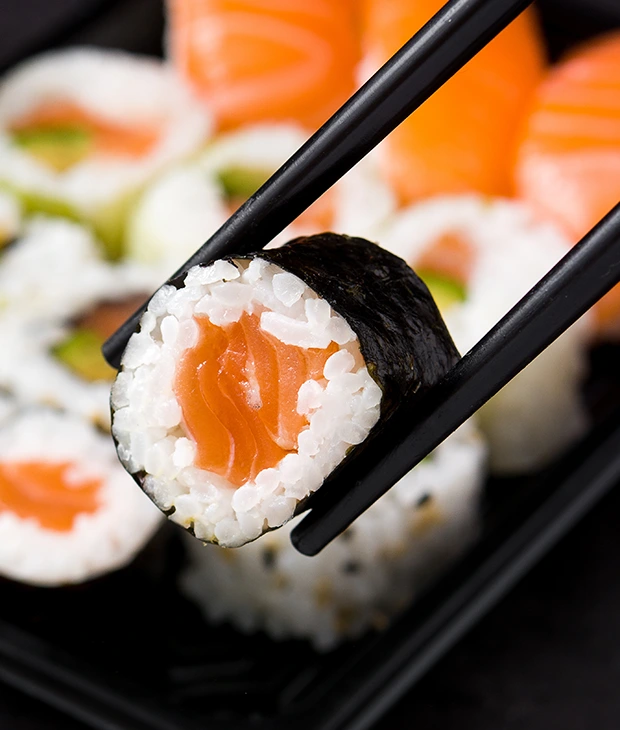
Maki
Fillings and rice rolled inside nori seaweed; includes thin hosomaki and thick futomaki styles.
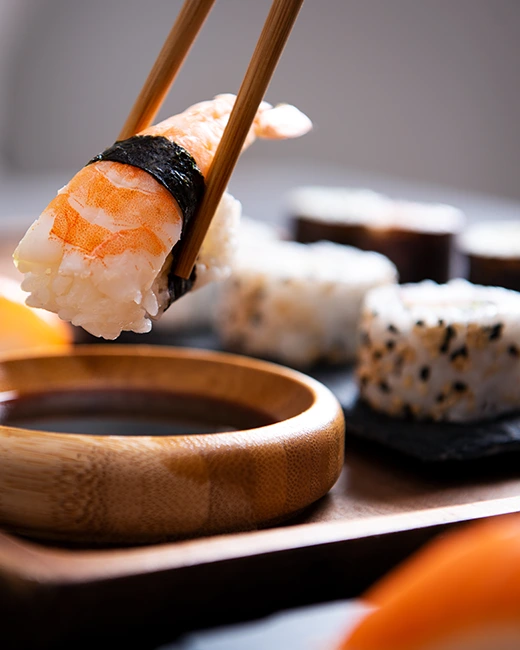
Rituals of tasting and consumption
Sushi as a culinary artwork

Visual color harmony
Chefs arrange vibrant, contrasting hues of fish and garnishes to stimulate the appetite before tasting.

Texture and balance
Crisp nori provides a sharp textural contrast to the soft rice and succulent, melting fish.

Ceramics and plating
Artisanal ceramic ware frames each piece, enhancing the minimalist beauty of the natural ingredients.
Global culinary context
Modern interpretations and international adaptations
Global expansion has led to creative fusion styles, incorporating local ingredients like avocado or spicy mayo. These new sushi categories emerge while respecting the fundamental shari (rice) preparation techniques, bridging tradition with innovation.
Sustainable sourcing is now a core principle for responsible chefs. They prioritize traceable, local species and responsible fishing methods to combat overfishing, ensuring marine biodiversity remains intact for future gastronomic generations.